
SOUTHWARK BRIDGE to LEADENHALL MARKET and the BEVIS MARKS SYNAGOGUE
Roman (?) London Stone - BANK: City’s symbolic financial centre - Site of First London coffee-house - Site of Elizabethan Inns licensed for plays - LEADENHALL MARKET - LLOYD’S OF LONDON: shipping insurance market - City of London Eastern cluster of skyscrapers - William Shakespeare known lodgings - Oldest synagogue in the country

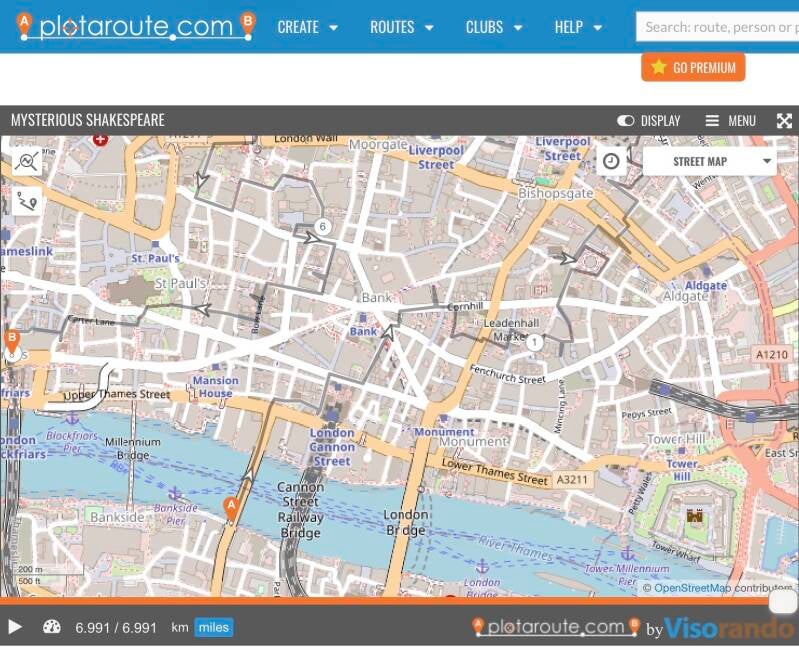
Queen ST. PLACE
VINTNERS HALL
Over Upper Thames ST.
Queen St.

Nearby
Skinners Lane, Westwards
Little Trinity St.
ST.JAMES’S GARLICKHYTHE Church
Artwork: The barge master & swan marker of The Vintners Company

College St.
ST.MICHAEL PATERNOSTER ROYAL Church
SKINNERS HALL
The house of SIR RICHARD WHITTINGTON
INNHOLDERS HALL
DOWGATE HILL
DYERS HALL
TALLOW CHANDLERS HALL
CANNON ST. RAILWAY STATION, site of unknown ROMAN BUILDING
The Governor’s Palace?

Nearby, by the RIVER
Site of the STEELYARD, trading post of the HANSEATIC LEAGUE

Cloak Lane
From the Latin “cloaca”, sewer.
Site of ST.JOHN DE BAPTIST UPON WALBROOK Church. Burial stones
Cannon Street

Nearby
Bank Junction


MANSION HOUSE
Site of the STOCKS MARKET
ST.STEPHEN WALBROOK Church. BIRTHPLACE of The SAMARITANS
Site of the office of MARY HARRIS SMITH, first woman chartered surveyor
Queen Victoria St.
BLOOMBERG European HQ
THE LONDON MITHRAEUS
Inside STATION: THE HUTTON PANELS
Poultry (street)
Poultry takes its name, like other roads nearby such as Milk Street and Bread Street, from the various produce once sold at Cheapside (meaning "market-place" in Old English). John Stow, writing at the end of the 16th century, noted that "the poulterers are but lately departed from thence into other streets"
Num.1 Poultry
THE NED
BANK OF ENGLAND
Former ROYAL EXCHANGE, now a luxury shopping mall
London Underground BANK STATION
Statue of the DUKE OF WELLINGTON
London Troops WAR MEMORIAL
Statue of JAMES HENRY GREATHEAD
Inside STATION: Remains of GREATHEAD’s TUNNELLING SHIELD

Nearby
Cornhill (street)
Former LLOYD’S BANK
By the Royal Exchange, WATER PUMP
At the rear of the R.E
GEORGE PEABODY
PAUL JULIUS REUTER

Cannon St. Eastwards
THE LONDON STONE


William Shakespeare immortalized the ancient London Stone in his play Henry VI, Part 2 (Act 4, Scene 6). In the play, the rebel leader Jack Cade marches into London, strikes his sword or staff against the stone, and declares himself "Lord of the City"
St.Swithun’s Lane
ROTHSCHILD BANK
Founded in Frankfurt by Mayer Amschel Rothschild, the family evolved from court factors into a multinational financial powerhouse. He sent his five sons to establish banking houses in London, Paris, Vienna, Naples, and Frankfurt, creating an unparalleled, interconnected network.
MOSES MONTEFIORE, ROTHSCHILD’s stockbroker from Mexico
Lombard St.
The Lombard bankers were influential medieval and Renaissance moneylenders from Northern Italy (the Lombardy region) who traveled across Europe to finance governments, facilitate trade, and pioneer early pawnbroking. They laid the groundwork for modern banking by introducing secured loans and collateral-based credit
Old Bank Ensigns
Change Alley
Coffee and Tea-houses
Site of THE KING’S ARMS TAVERN. The MARINE SOCIETY founded here
Site of GARRAWAY’S
Cornhill (street)
No.32 WALTER GILBERT’s doors
https://www.ianvisits.co.uk/articles/walter-gilberts-ornate-mahogany-doors-at-32-cornhill-32309/
ST.MICHAEL’S Church
Site of PASQUA ROSEE’s HEAD, first London COFFEE HOUSE
Former SIMPSON’s TAVERN, London’s oldest chophouse
GEORGE & VULTURE restaurant
George Yard
ST EDMUND THE MARTYR Church
THE CROSS KEYS PH. Site of the inn of the same name
Gracechurch St.
LEADENHALL MARKET
The herbalists cluster, in Elizabethan times
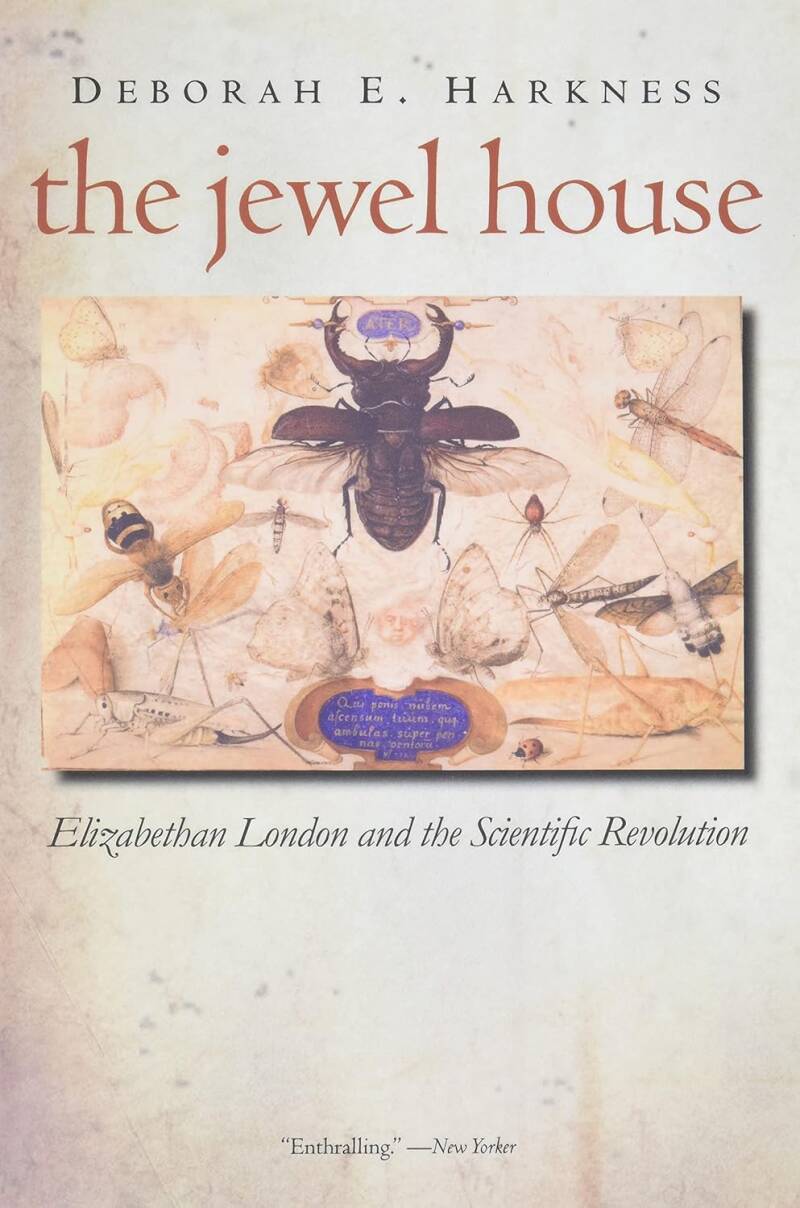
Elizabethan herbalist John Gerard, author of the 1597 landmark publication The Herball, who actually lived in Holborn, knew the Lime Street/Leadenhall area. The community of highly educated physicians and botanists in the Lime Street vicinity considered him an outsider, noting his lack of formal academic training.
LLOYD’S OF LONDON
A Harry Potter film location
21rst c: The East City Cluster of high rise buildings
THE GARDEN AT 120
THE SCALPEL
The future 1UNDERSHAFT, the tallest of them all
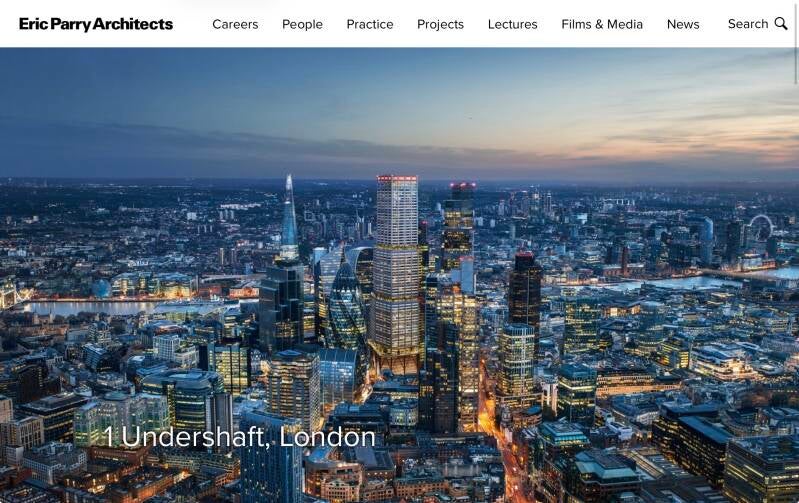
THE CHEESEGRATER
The building's famous 10-degree inward tilt was mandated by London planners. It was specifically designed to preserve the protected visual sightline of St Paul's Cathedral's dome when viewed from Fleet Street.
Instead of a traditional concrete center, the building stays standing using an external steel "Megaframe". This completely hollowed-out center allows for massive, uninterrupted office floorplates.
ST. ANDREW’s UNDERSHAFT Church
A particularly lofty specimen of MAYPOLE would go up here, next to St Andrew's church (each May). The pole was so tall, that it outstretched the church, which became known as St Andrew-under-shaft.
ST.MARY AXE?: Site of the Church of St Mary, St Ursula and her 11,000 Virgins
THE GHERKIN, Site of the Victorian Baltic Exchange
MEMORIAL to the UNKNOWN ROMAN GIRL
Prior to every development in Central London MOLA gets the opportunity for archaeological investigations. Here in 1995 they found, among other Roman remains, the skeleton of a young Roman girl who had been buried over 1600 years ago. The remains were taken to the Museum of London while the Swiss Re Tower was erected and in 2007, 12 years later, were reburied at the original site.
MEMORIAL to the BALTIC EXCHANGE BOMB
Nearby
ST.HELEN BISHOPSGATE Church
Shakespeare lived here
Shakespeare was a parishioner, according to the parish tax inspector who recorded his failure to pay tax on 15th November 1597.
https://artdependence.com/articles/shakespeares-london-home-where-he-wrote-romeo-and-juliet-found-researcher-says/
TOWER 42
Site of CROSBY HALL, now in CHELSEA

Create Your Own Website With Webador