
From GUILDHALL to ST.PAUL’s CATHEDRAL and on to BLACKFRIARS
Medieval Jewish London - Medieval London shopping area - John Smith, of Pocahontas fame - The famous Bow Bells - A Roman road - Site of a famous Elizabethan tavern - ST.PAUL’s Cathedral - Site of the BELL INN: a letter addressed to WILLIAM SHAKESPEARE - A property purchased by W.S. - Site of Blackfriars Playhouse -

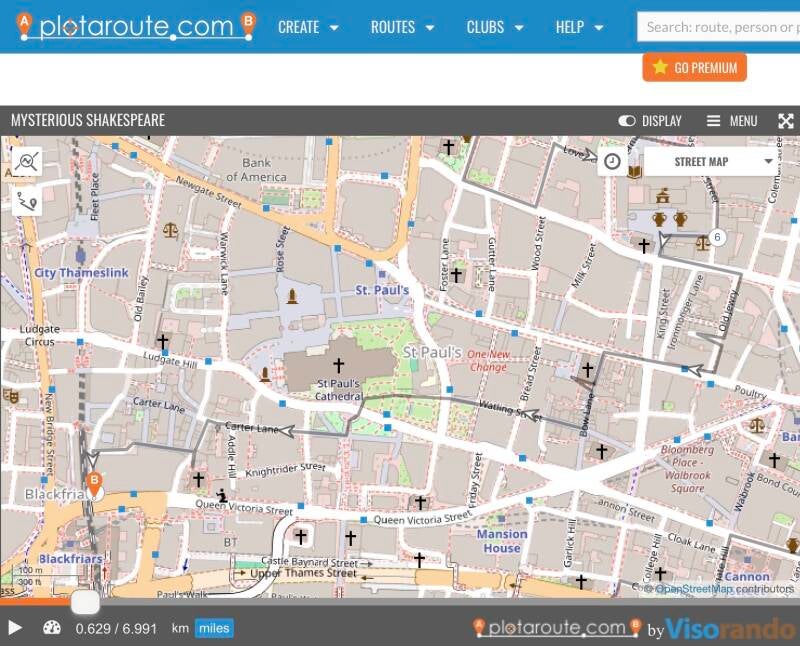

Gresham St.
Medieval Jewish London
Archaeologists discovered a mikveh, a Jewish ritual bath, from the mid-13th century, under a modern building in Milk Street in 2001. It has been reconstructed at the Jewish Museum in Camden Town. Milk Street may be derived from the Hebrew word ‘melech’, meaning ‘king’
Old Jewry (street)
Site of the MEDIEVAL SYNAGOGUE
Frederick Place
MERCERS’ HALL
BENJAMIN DISRAELI worked here 1821 - 1824
EDWIN WATERHOUSE worked here 1899–1905
Georgian houses. Torch snuffers
Poultry (street)
https://en.wikipedia.org/wiki/Poultry,_London

You are now close to BANK
Cheapside (street)
Birthplace of THOMAS BECKET, Archbishop and Martyr
ST.MARY-LE-BOW Church
https://exploring-london.com/tag/captain-john-smith/
MEMORIAL to JOHN SMITH
Shakespeare and American colonial adventure
Shakespeare is believed to have read the widely circulated, unpublished letters and accounts of William Strachey, a survivor of the Sea Venture and a secretary for the Virginia colony.
And he was acquainted with several key figures, investors, and promoters of the Virginia Company. This included the Earl of Southampton (his primary patron) and various London merchants who funded the enterprise
Watling St., a Roman road
Former course of Friday St.: Cheapside Passage
Site of THE MERMAID TAVERN
ONE NEW CHANGE. Arch. JEAN NOUVEL
Memorial to ADMIRAL PHILIP, founder of Sidney, Australia
Former St.AGUSTINE Church belltower. Now, part of St.Paul’s School
ST.PAUL’s CATHEDRAL
William Shakespeare.s ST.PAUL’S

Nearby
St.Paul’s Churchyard, Paternoster Row and Sq.
Site of the centre of the publishing, printing and book selling trade in Shakespeare’s time
Former DEANERY
Former TEMPLE GATE
LONDON STOCK EXCHANGE
STATIONERS’ HALL
Stationers' Hall in London holds immense historical significance for Shakespeare's works, primarily as the site where the Stationers' Register was kept. This trade guild's register recorded the rights to publish plays and poems

Carter Lane
Memorial to PAUL’S WATCH and the BRITISH FIREFIGHTERS

Nearby
THE COLLEGE OF ARMS
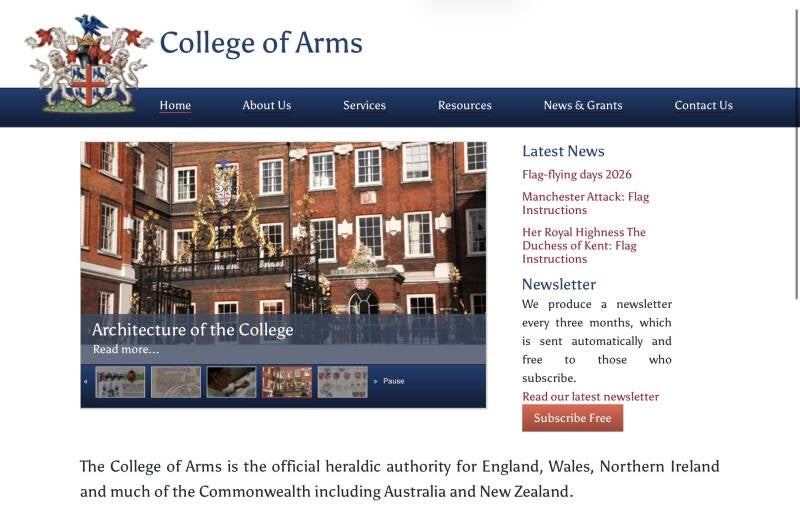
Driven by the playwright's success, Shakespeare applied for gentry status on behave of his father, John Shakespeare, who was granted a coat of arms in 1596. “Non, sanz droict” or “Non sanz droit”?
THE SALVATION ARMY International HQ.
MILLENIUM BRIDGE

Site of THE BELL INN
Richard Quiney wrote the only surviving original letter addressed to William Shakespeare from The Bell Inn, Carter Lane, in London on October 25, 1598
The Blackfriars district
Site of the KING’S WARDROBE
As the head of the King's Men (formerly the Lord Chamberlain's Men), Shakespeare and his fellow actors were directly provided with red cloth for ceremonial royal liveries by the Master of the Great Wardrobe in 1604.
St.Andrew’s Hill
A property acquired by W.S.
THE COCKPIT P.H.
ST.ANDREW BY THE WARDROBE Church
Church Entry (Lane)
Site (transept) of the Dominican Priory (or Blackfriars), site of St.Anne’s Blackfriars church
https://lookup.london/st-ann-blackfriars-lost-church-secret-garden/
Former Vestry & churchyard
Playhouse Yard
Site of the Blackfriars Playhouse
THE BLACKFRIAR P.H.

Nearby
Site of Baynard’s Castle, now Baynard House (B.T.)
Artwork: The seven ages of man
The sculpture's title refers to a passage from William Shakespeare's play As You Like It: "All the world’s a stage, / And all the men and women merely players. / They have their exits and their entrances, / And one man in his time plays many parts, / His acts being seven ages."

Create Your Own Website With Webador